Your business requires regular cleaning scheduled according to potential hazards, food processing capacity, food allergen presence, and health inspections, combined with documented records demonstrating HACCP compliance, inspection results, and public health standards. The information below describe essential sanitation program components.
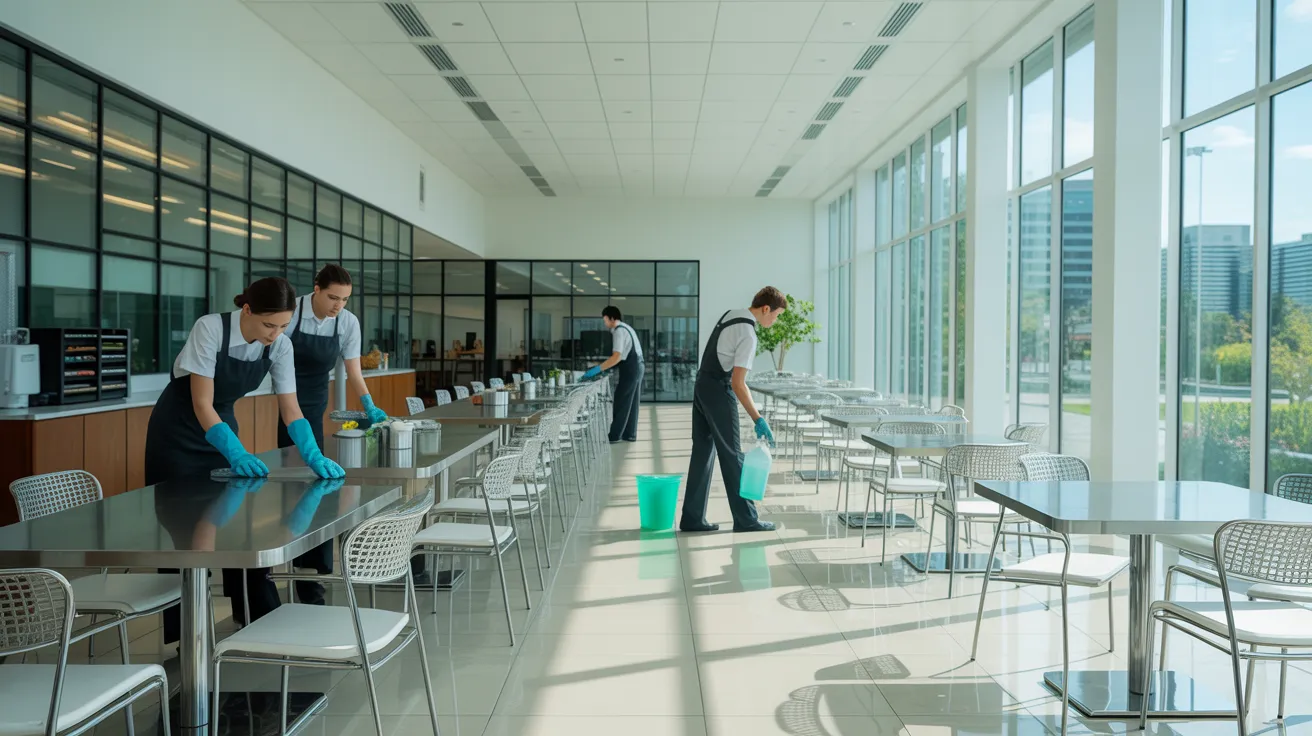
Important Highlights
- Food safety cleaning technicians in Brampton cater to restaurants, grocery departments, commissaries, warehouses, bakeries, schools, mobile vendors, and allergen-sensitive operations.
- They treat frequently contacted areas, food-contact equipment, kitchens, floors, drains, restrooms, and storage areas using compartmentalized approaches to eliminate cross-contamination.
- Documentation of conclusion through swabs, audits, and remedial documentation verifies qualified vendors have checked approved sanitizer dilution, appropriateness, and contact time.
- Routine, recurring, and seasonal activities designated by zone constitute maintenance timelines founded on risk, production rate, changeovers, spills, and guidelines.
- Select contractors with hazard analysis knowledge, health regulatory, understanding, WHMIS, preparation, insurance, references, color-categorized tools, and inspection-ready maintenance files.
Which Brampton Facilities Need Food Safety Cleaning?
Food safety cleaning is required for any Brampton facility that deals with, keeps, prepares, packages, or provides food. Apply it to your operation if it falls within public health inspection, food premises regulations, or internal HACCP-based controls. This includes restaurants, cafeterias, commissaries, grocery food departments, butcher shops, seafood counters, convenience stores, and institutional kitchens.
Adherent hygiene cleaning is additionally essential in distribution centers, processing facilities, refrigerated storage, commercial bakeries, school meal programs, event venues, and delivery services. Temporary and mobile businesses count as well, including catering trucks, festival vendors, and pop-up food booths. Your facility demands written cleaning standards should your staff handle raw materials, divide prepared foods, warm meals, or maintain allergen storage. In Brampton, hygiene stays voluntary; it represents legal, operational, and consumer protection compliance.
What Do Brampton Cleaning Experts Clean?
You require experienced cleaning professionals who disinfect high-touch surfaces, kitchen spaces, flooring, and bathrooms to maintain food safety and public health requirements. These areas are targeted due to their high cross-contamination potential, slip and fall dangers, and health code violations.
When you know their cleaning scope, you can verify that your facility's cleaning scope meets compliance and operational standards.
Important High-Touch Surface Disinfection
establish how regularly each point is cleaned
Maintaining a sequential cleaning method, rotating wipes, and organizing disinfection materials by area ensures that cleaning stays measurable, defensible, and ready for inspection consistently
Cooking Zones, Walking Surfaces, and Restroom Environments
Brampton cleaning professionals will handle kitchens, floors, and restrooms since each space presents different hygiene concerns, injury, and community health challenges. In industrial kitchens, you need grease removal from cooking stations, appliance surfaces, drain systems, preparation areas, and backsplashes to reduce contamination and pest pressure.
Floor care that is recorded should also be anticipated. Technicians clean and remove buildup from grout, tile, and vinyl flooring, then apply proper moisture management so you can reduce slip incidents and meet regulatory standards. They also handle entry points where dampness and dirt enter the building.
In restrooms, cleaners treat touchpoints, fixtures, partitions, dispensers, and waste containers then restock supplies and control odours. They also service restaurant moprooms, where chemical storage, sink hygiene, and drainage conditions can affect sanitation compliance and staff safety daily.
How Food Safety Cleaning Benefits Brampton Operations
To comply with regulatory mandates and pass inspections, Brampton facilities must maintain food-safe cleaning standards. You also minimize cross-contamination by cleaning and sanitizing food-contact surfaces, equipment, and high-touch areas correctly. Most importantly, you help protect public health by lowering the risk of foodborne illness in your facility.
Food Safety Regulations
Since Brampton food companies must follow strict public health standards, your hygiene maintenance directly affects your ability to meet health codes, ensure the safety of diners, and prevent regulatory penalties. You must maintain clean food preparation areas, verifiable cleaning logs, correct sanitizer application, and traceable training practices that comply with municipal and provincial inspection expectations.
During regulatory examination of your operation, inspectors assess whether your cleaning program facilitates proper stock preservation, machinery hygiene, garbage disposal, and bathroom upkeep. Strong learn here cleaning records enable you to prove due diligence during inspection audits and indicate that your methods are standardized, consistent, and monitored.
Contamination Management
Following regulatory requirements depends on your ability to prevent cross-contamination in daily food handling and cleaning. You must separate raw ingredients from ready-to-eat foods, sanitize prep surfaces between tasks, and store chemicals away from food-contact items. Well-defined guidelines decrease contamination chances and support consistent compliance during inspections.
Building allergen isolation prevents priority allergens from contacting common workstations, storage, or apparatus. Leverage separate cutting boards, colored implements, and precise instrument labeling so staff don't mix items in cooking or serving.Mandate hand cleaning following raw meat, seafood, eggs, or allergen-containing products. Swap wiping cloths regularly, and confirm disinfectant efficacy using test strips. When you train staff to follow these controls each shift, you create a cleaner, safer operation that meets Brampton's food safety expectations daily.
Public Health Assurance
When sanitation protocols fails, you don't just risk a failed inspection—you heighten the likelihood of foodborne illness affecting customers, staff, and the wider Brampton community. You also undermine your responsibility in protecting public health, especially in high-traffic food premises where contamination can spread quickly through surfaces, equipment, and touchpoints.
You require cleaning procedures that eliminate soils, sanitize properly, and confirm effectiveness. This involves adhering to exposure times, utilizing approved disinfectants, logging schedules, and training employees to meet health-unit expectations. These mechanisms support disease prevention by decreasing microbes before reaching food or hands. Across Brampton, strong cleaning protects at-risk populations, limits outbreak risk, and demonstrates accountability. When you maintain proper protocols, you exceed regulations—you substantially lower hazards and enable safer food service throughout the area.
How Can Cleaning Practices Ensure Food Safety Compliance?
Maintaining strict sanitation practices strengthens food safety compliance by decreasing contamination threats, limiting pathogen development, and keeping your facility aligned with sanitation requirements under HACCP-based programs and public health regulations. You validate that contact surfaces are visibly clean and microbiologically controlled, backing documented preventive controls and inspection readiness.
Cleaning strategies additionally bolster allergen mitigation by removing residues that can trigger undeclared allergen exposure.
How Ought You Schedule Commercial Cleaning Services?
Cleaning plans work best when you create them according to risk levels, output volume, and compliance needs rather than depending on a fixed calendar alone.
shutdowns, weather-related soil accumulation, or pest-control management periods.
Finding Quality Brampton Cleaning Experts: A Guide
Screen providers initially by their food hygiene standards—not budget alone. You need to confirm that every company meets CFIA, public health, and HACCP standards for your operation. Demand proof of insurance, WHMIS compliance, training records, and management systems. Evaluate technician understanding of contamination dangers, chemical safety, and documented sanitation practices.
You must also evaluate business consistency and oversight. Seek references from food facilities in Brampton, then assess response times, corrective-action procedures, and communication standards. Ensure the company enables supplier checks and can provide inspection-ready documentation when authorities or third parties demand verification. Verify equipment is maintained, color-coded items are deployed correctly, and operational-specific risks are understood. A reputable service protects compliance, product safety, and your market standing.
Which elements are part of a Food Safety Cleaning Plan?
Establish a documented program that clarifies every sanitation task, standard, and responsibility before production begins. You should list cleaning frequencies, approved chemicals, dilution rates, contact times, tools, and verification methods for each sector, surface, and equipment. Make sure to include pre-operational inspections, corrective actions, and employee training requirements.
Your plan should also tackle prevention of contamination, waste management, pest-control tactics, and scheduled records for restrooms, drains, floors, and food-contact areas. Outline how you'll distinguish between uncooked and prepared items, support ingredient tracking, and keep accurate allergen labeling through validated cleaning between product changes. You should assign accountability, document signed records, and evaluate results against regulatory standards, HACCP controls, and customer requirements. When gaps appear, modify procedures immediately and instruct staff.
Frequently Asked Questions
Are sanitation providers available for overnight shifts in Brampton properties?
If you operate controlled facilities, you'll also require records that enable audits and maintain compliance.
Are hazard containment solutions available from sanitation professionals?
Yes, you can expect Brampton cleaning experts who provide emergency spill response solutions. They manage hazardous materials, assess risks, contain contamination, and start rapid decontamination to minimize risk and prevent business interruption. You should verify arrival timeframes, training certifications, PPE protocols, and disposal procedures. If your facility must meet regulatory requirements, select a service that records events, maintains regulatory procedures, and enables compliance verification.
Can environmentally safe disinfectants be applied securely on surfaces contacting food?
Absolutely, green disinfectants remain safe for food-contact surfaces when you select solutions certified for food use and complying with regulations. You must validate application timing, mixing proportions, and rinse requirements ahead of deployment. Botanical formulations lower chemical hazards, though you still need demonstration of efficacy against target microorganisms. For preserving residue-free areas, stick to manufacturer directions precisely and ensure your cleaning agent adheres to food sanitation requirements.
Can maintenance plans flex with seasonal production changes?
Without question, maintenance plans are highly adaptable for seasonal shifts. Revise frequencies, staffing, chemicals, and testing procedures to correspond to production rhythms while preserving compliance standards. Decrease production interruptions by scheduling sanitation surrounding production shifts, high demand periods, and usage patterns. Additionally update written procedures, staff education, and monitoring protocols to account for periodic risks, novel allergens, or increased soil loads. Periodic assessments ensure the program efficient.
Do commercial cleaners educate staff on sanitation best practices?
Yes, commercial cleaners often train your team on hygiene standards. You receive staff training on correct chemical application, exposure periods, contamination control, machine breakdown, and record keeping. They generally follow training with HACCP, GMP, and CFIA or regional health department regulations. Many also conduct sanitation audits to verify compliance, spot deficiencies, and reinforce corrective actions. This allows you to maintain consistent procedures, pass inspections, and reduce food safety risks daily.
Final Thoughts
By partnering with Brampton food safety and commercial cleaning experts, you aren't simply tidying—you maintain your facility inspection-ready and your practices in compliance. From production areas to kitchen zones, every sanitized surface and maintained corner decreases contamination and avoids expensive losses. By arranging service on the right schedule and adhering to a systematic cleaning protocol, you secure your team, customers, and your standing. In a strictly regulated industry, clean spaces must be prioritized—they're essential to successful operations.